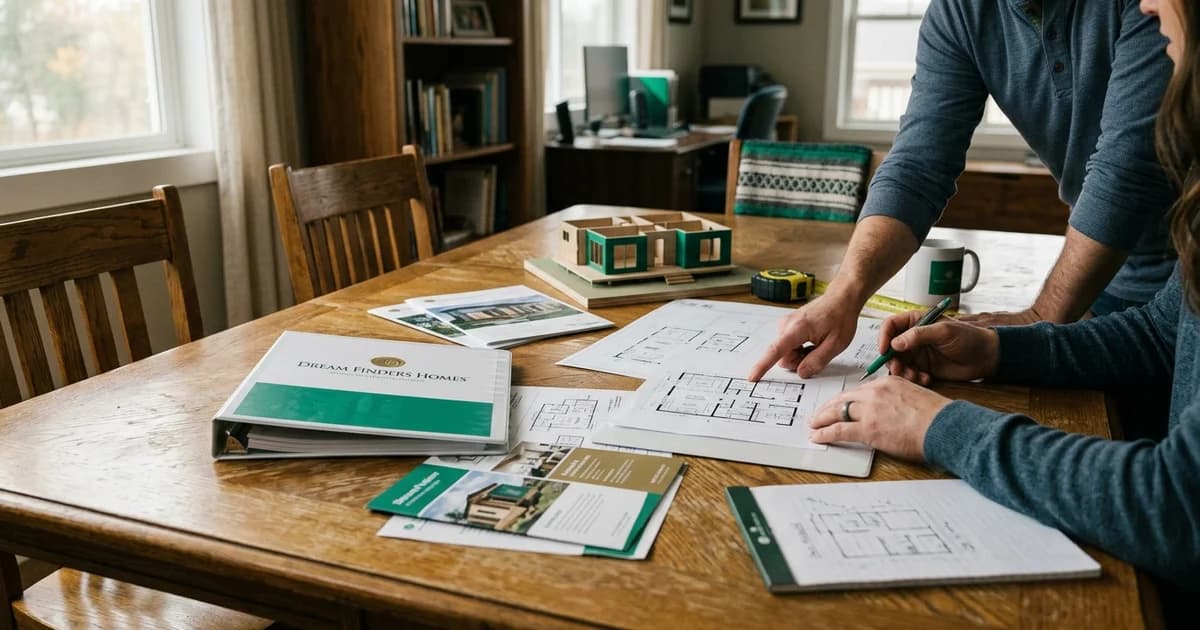
Everything you need to know about Dream Finders Homes
Introduction: Your complete guide to Dream Finders Homes and affordable housing solutions
Dream Finders Homes has emerged as a notable name in the new construction and alternative housing market, attracting attention from first-time buyers, seasoned investors, and eco-conscious consumers alike. At Prefab Catalog, our analysis shows that interest in builder-driven and prefab housing solutions has grown significantly as traditional homeownership becomes increasingly difficult to access for many Americans.
This comprehensive FAQ covers everything you need to know before making one of the most important financial decisions of your life. Whether you are exploring Dream Finders Homes for the first time or comparing it against other housing options, you will find clear, direct answers to the questions that matter most.
Here is what this guide covers:
- What Dream Finders Homes is and how it fits within the broader prefab and modular housing landscape
- Cost and affordability considerations, including pricing structures and financing options
- Sustainability features and how eco-friendly building practices factor into modern home construction
- How to find and select the right home for your specific needs, location, and budget
- Practical logistics, from timelines and customization to what buyers should expect during the process
The housing market is shifting. Rising property prices, remote work flexibility, and growing environmental awareness are pushing buyers toward smarter, more efficient alternatives to conventional stick-built homes. Prefab, modular, and builder-community homes like those offered through Dream Finders Homes represent a practical response to these pressures.
This guide is designed for homebuyers seeking affordability, real estate developers evaluating new opportunities, digital nomads looking for flexible living solutions, and anyone curious about where modern housing is headed. Each section stands on its own, so feel free to jump directly to the topic most relevant to your situation.
Understanding Dream Finders Homes and prefab housing basics
Dream Finders Homes is a production homebuilder that constructs homes within planned communities across multiple U.S. markets, offering buyers a structured path to homeownership through pre-designed floor plans, community-based development, and a streamlined purchase process that differs significantly from custom or traditional stick-built construction.
Key Takeaway
- Dream Finders Homes is a production homebuilder focused on planned communities, distinct from prefab manufacturers that offer factory-built modular homes
- Prefab homes typically cost 10-20% less than traditionally built homes due to factory efficiency, reduced labor, and minimized material waste
- Modern prefab construction delivers genuine environmental benefits including lower waste generation, tighter quality control, and improved energy efficiency
- Using a comprehensive prefab home directory streamlines the selection process by enabling location-based filtering and side-by-side feature comparison
What Dream Finders Homes actually is
Dream Finders Homes operates as a builder-community model, meaning homes are constructed within established neighborhoods where the developer controls land, design options, and construction timelines. Buyers typically choose from a curated selection of floor plans and finishes rather than designing a home from scratch.
This approach sits in a distinct category from both fully custom homes and prefab or modular construction. Understanding those differences matters before you commit to any path.
Prefab, modular, and traditional construction: what sets them apart
These three terms are often used interchangeably, but they describe meaningfully different processes:
- Traditional stick-built construction: Every component is assembled on-site from raw materials. This offers maximum customization but typically takes longer and costs more due to weather delays, labor coordination, and material waste.
- Prefab homes: Components or entire sections are manufactured off-site in a controlled factory environment, then transported and assembled on the building site. This category includes panelized, modular, and manufactured homes.
- Modular homes: A specific type of prefab construction where complete three-dimensional modules are built in a factory, shipped to the site, and joined together. Modular homes meet the same local building codes as site-built homes and are often indistinguishable from traditional construction once complete.
- Builder-community homes (like Dream Finders Homes): Constructed on-site using standardized plans within a developer-managed community. These are not prefab in the factory-built sense, but they benefit from similar efficiencies through volume purchasing and repeatable construction processes.
Key advantages of prefab and production-built homes
Buyers drawn to this category typically cite several practical benefits:
- Faster timelines: Factory-controlled environments reduce weather-related delays and allow multiple construction phases to happen simultaneously.
- Cost predictability: Standardized designs and bulk material purchasing reduce the likelihood of budget overruns.
- Consistent quality control: Repetitive processes in controlled settings can reduce construction errors compared to fully custom builds.
- Reduced waste: Factory construction generates less material waste than traditional on-site building.
Finding the right fit with smart matching tools
Navigating the range of home types, builders, and communities can feel overwhelming. Prefab Catalog's Smart Matching System helps buyers cut through that complexity by pairing individual needs, including budget, location, and lifestyle preferences, with relevant manufacturers and home styles from a comprehensive directory. Rather than researching builders one by one, buyers get a focused starting point based on their specific situation.
Affordability and cost-related questions
Prefab homes typically cost less than traditionally built homes because factory construction reduces labor expenses, minimizes material waste, and compresses build timelines significantly. For budget-conscious buyers, understanding where the savings come from, and where unexpected costs can appear, is essential before committing to a purchase.
Key Takeaway
- Factory construction reduces labor costs and material waste, making prefab homes more affordable than site-built alternatives
- Compressed build timelines in factory settings translate to faster project completion and reduced financing costs for buyers
- Budget-conscious buyers should compare total cost of ownership, including site preparation, installation, and local permitting fees
How do prefab homes achieve lower price points?
Factory-built construction creates efficiencies that site-built homes simply cannot match. Key cost advantages include:
- Bulk material purchasing: Manufacturers buy materials at scale, reducing per-unit costs
- Controlled environments: Indoor assembly eliminates weather-related delays and damage
- Streamlined labor: Specialized factory crews work faster than traditional construction teams
- Shorter timelines: Faster builds mean lower financing costs during construction
These efficiencies can translate into meaningful savings compared to conventional construction, though final pricing varies widely by region, home size, and customization level.
What financing options are available for prefab homes?
Financing a prefab home is more accessible than many buyers expect. Common options include:
- Conventional mortgages: Available for modular homes that meet local building codes and are placed on permanent foundations
- FHA and VA loans: Government-backed programs that cover qualifying modular and manufactured homes
- Construction loans: Short-term financing that converts to a standard mortgage once the home is complete
- Personal loans or manufacturer financing: Useful for smaller or more affordable builds
Loan eligibility often depends on whether the home is classified as real property, which typically requires a permanent foundation.
What hidden costs should buyers budget for?
The base price of a prefab home rarely reflects the full investment. Buyers should account for:
- Land purchase or lease
- Site preparation: Grading, utility connections, and foundation work
- Transportation and installation fees
- Local permits and inspections
- Interior finishing: Some homes arrive partially finished, requiring additional work
- Landscaping and exterior features
Factoring these costs in early prevents budget shortfalls later in the process.
How does long-term value compare to traditional homes?
Modular homes built to local building codes generally appreciate similarly to site-built homes in the same market. Manufactured homes on leased land tend to depreciate, while those on owned land with permanent foundations hold value more reliably. Energy-efficient construction common in modern prefab builds can also reduce ongoing utility costs, adding to long-term financial value.
Sustainability and eco-conscious housing features
Modern prefab construction offers genuine environmental advantages over traditional building methods. Factory-built homes generate less material waste, allow for tighter quality control, and increasingly incorporate energy-efficient systems and sustainable materials that reduce a home's long-term environmental footprint.
What makes prefab homes more eco-friendly than site-built homes?
The construction process itself is a major factor. Because prefab homes are built in controlled factory environments, manufacturers can manage material use precisely, cutting waste significantly compared to on-site builds where excess lumber, insulation, and other materials often end up in landfills.

Key environmental benefits of prefab construction include:
- Reduced construction waste: Factory settings allow for precise cutting and material reuse that traditional job sites cannot match
- Shorter build times: Faster construction means less energy consumed during the building phase
- Better insulation consistency: Controlled environments produce tighter seals and more uniform insulation installation, reducing heating and cooling demands
- Lower site disruption: Less heavy machinery on-site means reduced impact on surrounding land and ecosystems
What energy-efficient features should buyers look for?
Many modern prefab manufacturers design homes to meet or exceed standard energy codes. Features worth prioritizing include:
- High-performance insulation in walls, floors, and rooflines
- Double or triple-pane windows to minimize heat transfer
- Energy Star-rated appliances included in base or upgrade packages
- Solar-ready designs that accommodate panel installation without major retrofitting
- LED lighting systems and smart thermostat compatibility
What green certifications indicate a well-built eco-conscious home?
Certifications help buyers verify environmental claims independently. Look for homes or manufacturers associated with:
- Energy Star certification: Indicates the home meets EPA energy efficiency guidelines
- LEED certification: A widely recognized standard for sustainable building practices
- DOE Zero Energy Ready Home program: Signals a home built to produce as much energy as it consumes
- HUD Code compliance: The baseline standard for manufactured homes, with newer versions incorporating stronger efficiency requirements
Asking manufacturers directly about which certifications their homes carry, and requesting documentation, is the most reliable way to confirm eco-conscious claims before purchasing.
Finding and selecting your ideal home
Searching for the right prefab or Dream Finders home becomes far more manageable when you have the right tools and know what to compare. Using a structured directory, filtering by location, and reviewing manufacturer specifications will help you narrow thousands of options down to a shortlist that fits your needs and budget.
How to search for homes using a directory
A well-organized prefab directory lets you filter by price, square footage, style, and location rather than browsing listings at random. In our experience at Prefab Catalog, buyers who use structured search tools, including the Map-Based Explorer and a database of 3,500+ home models, find their shortlist significantly faster than those relying on general web searches.
Key ways to search effectively:
- Use location-based filters to surface homes available in your state or region, since not all manufacturers deliver or build nationwide
- Filter by home type (manufactured, modular, panelized, or kit homes) to match your land situation and local zoning rules
- Set a realistic price range before browsing to avoid falling for models outside your budget
- Browse manufacturer profiles to understand a builder's track record, available floor plans, and service area
What to look for when comparing models
Not all prefab homes are built to the same standard, and comparing models carefully before committing saves significant time and money later.
Focus on these factors when evaluating options:
- Square footage and layout efficiency: A well-designed smaller home often outperforms a poorly laid out larger one in livability
- Structural specifications: Look at wall thickness, roof load ratings, and foundation requirements, especially if you are building in an area with extreme weather
- Included features versus upgrades: Understand exactly what comes standard and what costs extra before comparing base prices across manufacturers
- Delivery and installation scope: Some manufacturers include site preparation and installation; others do not
- Warranty terms: Compare coverage periods for the structure, systems, and finishes separately
Understanding customization options
Most prefab manufacturers offer at least some degree of customization, ranging from interior finishes and cabinetry to full floor plan modifications. The level of flexibility varies considerably by builder. Modular homes typically allow the most structural customization, while manufactured homes tend to offer more limited changes within factory-set parameters.
Always request a written breakdown of which elements can be changed, what those changes cost, and how modifications affect your delivery timeline before signing any agreement.
Practical considerations and logistics
Before committing to a prefab home purchase, understanding the logistical requirements can save you significant time, money, and frustration. Site preparation, local regulations, and installation timelines all play a major role in determining whether your project runs smoothly from contract to move-in.
Key Takeaway
- Site preparation, foundation work, and utility connections are critical logistics that must be planned before delivery
- Local building codes, zoning regulations, and HOA restrictions can significantly impact timeline and feasibility
- Installation timelines vary based on home complexity, site conditions, and local inspection schedules
Land requirements and site preparation
Your land must be ready before your home arrives. Key site preparation steps typically include:
- Soil testing and grading to ensure a stable, level foundation
- Utility connections for water, sewer or septic, electricity, and gas
- Foundation work, which varies depending on whether you choose a slab, crawl space, or full basement
- Access road clearance wide enough for delivery trucks and cranes
Skipping or rushing any of these steps is one of the most common causes of project delays.

Zoning laws and building codes
Prefab homes must comply with local zoning ordinances and building codes, which vary significantly by municipality and state. Before purchasing land or a home, confirm:
- Whether the zone permits manufactured, modular, or prefab construction
- Which building code applies (HUD code for manufactured homes, local codes for modular)
- Any deed restrictions or HOA rules that may prohibit certain home types
Consulting your local planning department early in the process is strongly recommended.
Delivery and installation timeline
Most prefab homes are delivered and set on-site within one to three days once the foundation is ready. However, total project timelines, including site prep, permitting, and finishing work, typically range from three to six months. Factory production schedules and permit processing times are the most common sources of delay.
Warranty and after-sales support
Reputable manufacturers offer structural warranties ranging from one to ten years, with separate coverage for appliances and systems. Always request warranty documentation in writing and clarify who handles service calls after installation.
Resale value and market demand
Modular homes generally appraise similarly to site-built homes and hold their value well in strong markets. Manufactured homes on leased land tend to depreciate, while those on owned land perform more comparably to traditional housing. Location and local market conditions remain the strongest factors affecting resale potential.
Related questions and deeper resources
Exploring Dream Finders Homes is a starting point for many buyers who have questions that extend into specific home types, lifestyle needs, and investment goals. The resources below are organized by audience to help you go deeper on the topics most relevant to your situation.
For homebuyers comparing prefab options:
- Detailed guides on modular vs. manufactured vs. panelized construction
- Side-by-side manufacturer comparisons covering pricing, customization, and build timelines
- Map-based tools for locating available homes and communities by region
For remote workers and digital nomads:
- Guides to flexible housing solutions including park model homes and relocatable structures
- Resources on zoning considerations for non-traditional living arrangements
- Community directories for short-term and long-term prefab living options
For real estate developers and investors:
- Market analysis resources covering prefab housing demand trends
- Information on bulk purchasing, land-lease community development, and financing structures
- Manufacturer profiles with production capacity and partnership details
For eco-conscious consumers:
- Buyer guides focused on energy ratings, green certifications, and sustainable materials
- Comparisons of manufacturers with verified environmental commitments
- Resources on passive house standards and net-zero prefab options
General comparison and research tools:
- Prefab home directories with filterable search by budget, size, and style
- Smart matching tools that align buyer priorities with available manufacturers
- Consumer forums and review platforms covering real buyer experiences
Bookmark these resource categories and revisit them as your search progresses. Each topic above connects to decisions that can significantly affect your long-term satisfaction and financial outcome.
Frequently asked questions
This section addresses the most common questions buyers have about Dream Finders Homes and the broader prefab housing market. Each answer is designed to stand on its own, so you can jump directly to what matters most to your situation.
What exactly is Dream Finders Homes and how does it differ from traditional home builders?
Dream Finders Homes is a production home builder that constructs homes in planned communities across multiple states. Unlike custom builders who work on individually selected lots, Dream Finders operates through a community-based model with pre-designed floor plans and structured upgrade options.
How much can I save by choosing a prefab home instead of traditional construction?
Savings vary widely depending on location, size, and finish level, but prefab construction typically reduces costs by eliminating many on-site labor hours. Research suggests buyers can save a meaningful percentage compared to stick-built equivalents, particularly in high-labor markets.
Are prefab homes as durable and well-built as traditionally constructed homes?
Modern prefab homes are built to meet the same local and state building codes as site-built homes. Factory construction often results in tighter tolerances and more consistent quality control than weather-dependent on-site builds.
What is the typical timeline for ordering and receiving a prefab home?
Timelines depend on the manufacturer and model, but most prefab homes move from order to delivery within three to six months. Site preparation, permitting, and utility connections can add additional time before move-in is possible.
Can I customize a prefab home to match my specific needs and preferences?
Most manufacturers offer a range of floor plan modifications, finish selections, and structural upgrades. The degree of customization varies significantly between manufacturers, so comparing options early in your search is important.
What financing options are available for purchasing a prefab home?
Financing options include conventional mortgages, FHA loans, VA loans, and construction-to-permanent loans. The right product depends on whether the home is classified as real or personal property, which is determined by land ownership and foundation type.
Are prefab homes environmentally friendly and sustainable?
Many prefab homes incorporate energy-efficient insulation, low-VOC materials, and reduced construction waste compared to traditional builds. Some manufacturers offer certified green options or net-zero configurations for buyers prioritizing sustainability.
What zoning and building code restrictions might apply to prefab homes?
Zoning rules vary by municipality and can restrict where certain prefab types are permitted. Checking with your local planning department before purchasing land or selecting a manufacturer is a necessary early step.
Do prefab homes hold their value and resell well?
Modular homes built on permanent foundations generally appreciate similarly to site-built homes in the same market. HUD-code manufactured homes on leased land historically depreciate, making land ownership a key factor in long-term value.
What is included in the warranty for a prefab home?
Most manufacturers offer a structural warranty covering the home's frame and systems, with separate coverage for appliances and finishes. Warranty length and scope differ between builders, so reviewing terms before signing is essential.
How does the Prefab Catalog Smart Matching System work?
The Smart Matching System allows buyers to input priorities such as budget, location, size, and style preferences, then surfaces manufacturers and models that align with those inputs. It reduces the time spent manually filtering through large directories.
How often is this information updated?
Prefab Catalog updates its database regularly to reflect new manufacturers, discontinued models, and pricing changes. Checking back periodically ensures you are working with current options rather than outdated listings.
What are the next steps for serious homebuyers and investors?
Start by clarifying your budget, preferred location, and must-have features. From there, the Prefab Home Directory is a practical tool for comparing manufacturers side by side and narrowing your shortlist before reaching out to builders directly.
Based on our work at Prefab Catalog, buyers who take time to compare multiple manufacturers and understand local zoning requirements before committing consistently report smoother purchases and stronger long-term satisfaction with their homes.
More from Our Blog
5 Expert Tips for Creating Professional Audiobooks with Text-to-Speech
Master AI audiobook creation with expert tips on voice selection, quality optimization, multilingual workflows, and platform publishing strategies.
Read more →
How Publishers Achieved Professional Translation in Days, Not Months
See how AI-powered fast book translation helped an author expand globally in minutes, not months. Real results, costs, and lessons learned.
Read more →
Karmdit: Your Complete Reddit Reputation Management Solution
Complete glossary of Karmdit, Reddit management, and digital privacy terminology. Definitions, examples, and cross-references for job seekers, professionals, and privacy-conscious users.
Read more →